Small black bugs often appear in Florida homes due to the warm and humid environment. These bugs can include ants, carpet beetles, gnats, or even fruit flies. Dealing with them effectively requires simple steps to identify the type of bug and take actions to remove them.
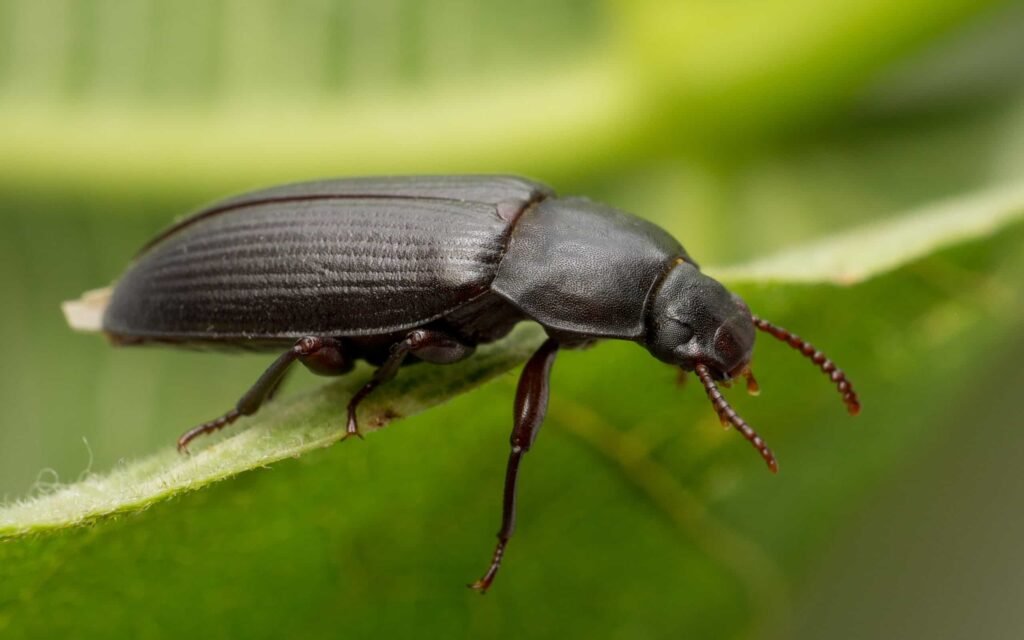
Common Small Black Bugs in Florida Houses
1. Ants
Ants are among the most common pests in homes. They invade kitchens, bathrooms, and even living rooms, searching for food and water. Small black ants, often called sugar ants, are frequent visitors.
2. Carpet Beetles
These bugs feed on natural fibers like wool, leather, and even food crumbs. You might spot them on carpets, furniture, or near windows.
3. Gnats
Gnats are tiny flying insects that hover around damp areas or houseplants. They breed in soil, drains, or any moist environment.
4. Fruit Flies
Fruit flies are often found near ripe or rotting fruits, garbage, and even damp sponges or mops. These tiny bugs can quickly multiply if not controlled.
Causes of Small Black Bugs Indoors
- Open Entry Points
Cracks in walls, gaps in windows, and poorly sealed doors allow bugs to enter easily. - Food Sources
Crumbs, spills, or exposed food attract many bugs, especially ants and fruit flies. - Moisture
Damp conditions in bathrooms, kitchens, or basements create ideal places for bugs to live and breed. - Clutter
Piles of laundry, stored cardboard boxes, and other clutter can become hiding spots for bugs.
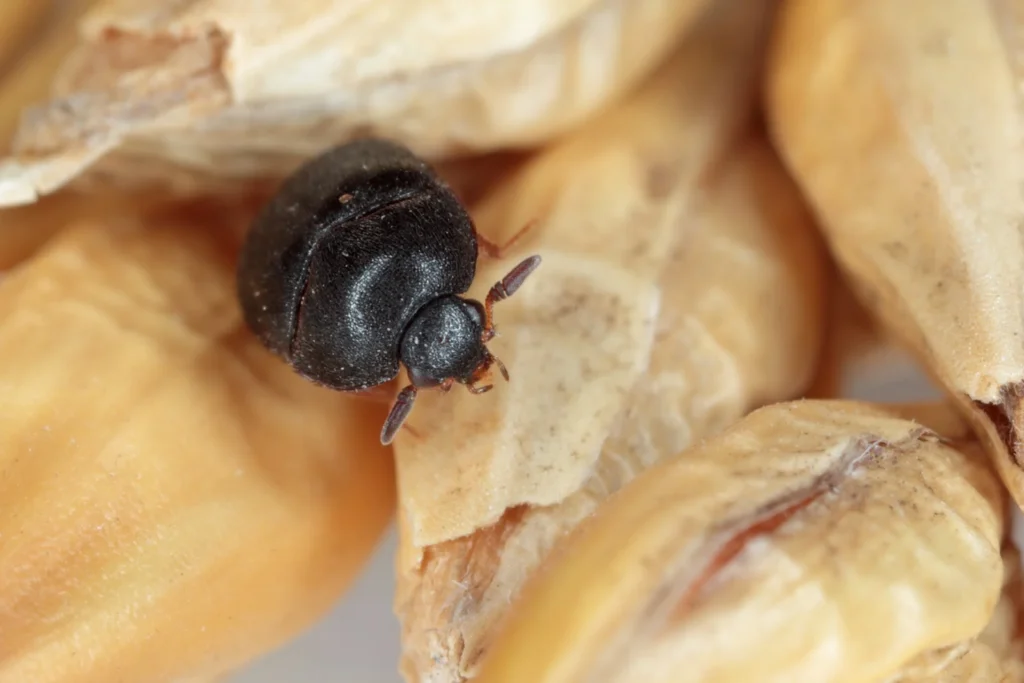
Steps to Get Rid of Small Black Bugs
Step 1: Identify the Bug
Start by determining the type of bug in your house. Look at its size, shape, and where it is most active. For example:
- If it’s crawling near food, it might be ants or carpet beetles.
- If it’s flying around damp areas, it could be gnats or fruit flies.
Step 2: Clean Your House Thoroughly
Cleaning is one of the most effective ways to remove small bugs from your home.
- Vacuum carpets, rugs, and furniture to remove dust and bugs.
- Wipe down surfaces with soapy water to eliminate food residue.
- Empty trash cans daily and keep them covered.
Step 3: Remove Food Sources
Bugs often stay where food is available.
- Store food in sealed containers.
- Keep fruit in the fridge or covered.
- Clean up spills and crumbs after eating.
Step 4: Fix Moisture Problems
Bugs like damp environments.
- Repair leaky pipes or faucets.
- Use a dehumidifier to reduce moisture levels.
- Keep sinks and drains dry when not in use.
Step 5: Seal Entry Points
Prevent more bugs from coming in.
- Use caulk to seal cracks and gaps around windows and doors.
- Install weather stripping on doors.
- Repair broken screens on windows.
Step 6: Use Natural Remedies
Natural solutions are safe and effective for many bugs.
- Sprinkle diatomaceous earth near entry points or areas where bugs gather. It kills bugs by dehydrating them.
- Place bowls of vinegar to attract and trap fruit flies.
- Use essential oils like peppermint or tea tree to repel ants.
Step 7: Set Up Traps
Traps can target specific bugs without using harmful chemicals.
- Ant traps work well for sugar ants and other species.
- Sticky traps are effective for gnats and fruit flies.
- Place traps near areas where bugs are most active.
Step 8: Keep Plants Healthy
If bugs are in houseplants, take these steps:
- Remove dead leaves and debris from soil.
- Allow soil to dry out between waterings to reduce moisture.
- Use insecticidal soap to spray on plants and kill bugs.
Step 9: Apply Bug Sprays
Use sprays carefully to avoid harming pets or family members.
- Choose sprays designed for indoor use.
- Spray directly on bugs and in areas where they hide, such as baseboards or under sinks.
Step 10: Call a Professional
If the infestation persists, contact a pest control service. Professionals have the tools and knowledge to handle larger infestations safely.
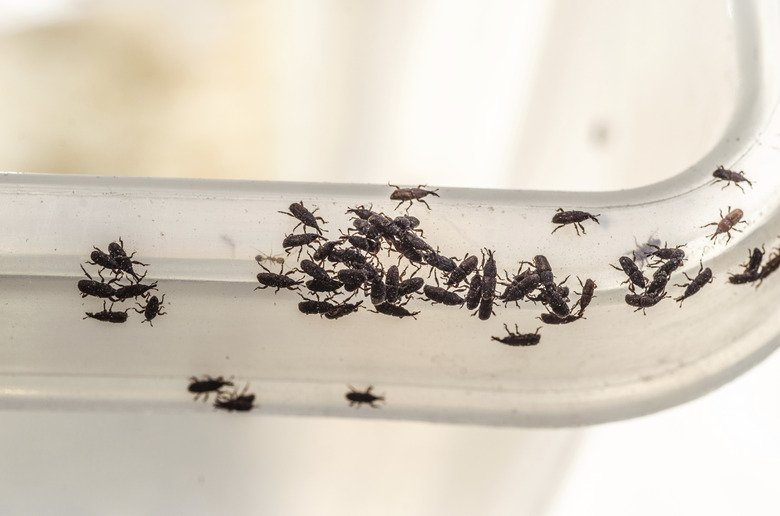
Prevention Tips to Avoid Bugs
- Regular Cleaning
Keep your house clean by vacuuming and wiping down surfaces weekly. - Store Food Properly
Use airtight containers for all pantry items. - Fix Leaks Quickly
Repair any plumbing issues to avoid creating damp spaces. - Reduce Clutter
Get rid of unnecessary items to limit hiding spots for bugs. - Inspect Plants and Groceries
Check plants and grocery bags for insects before bringing them inside.
FAQ
What are the most common small black bugs found in Florida homes?
Ants, carpet beetles, gnats, fruit flies, and drain flies are commonly found in Florida homes due to the warm and humid climate.
How can I prevent small black bugs from entering my house?
Seal cracks and gaps, fix leaks, store food in airtight containers, and use window screens to block entry points.
What natural methods can I use to get rid of small black bugs?
You can use diatomaceous earth near entry points, vinegar traps for fruit flies, or peppermint oil to repel ants.
Why do I keep finding small black bugs in my bathroom?
Bugs are attracted to the moisture in bathrooms. Fix leaks, dry out sinks and drains, and use a dehumidifier to reduce dampness.
When should I call a professional for help with small black bugs?
If the infestation persists after trying cleaning, traps, and natural remedies, contact a pest control expert for more effective treatment.
Why Small Black Bugs Are Common in Florida Homes?
Florida’s warm weather and frequent rain create an ideal environment for bugs to thrive. The combination of food, moisture, and shelter inside homes makes it easy for these bugs to survive. By staying vigilant and taking action quickly, you can keep your home free of small black bugs.